
By Broadleaf Services
In today’s digital age, the public sector is under increasing pressure to be transparent, accountable, and efficient. One transformative tool that is making a significant impact in meeting these demands is data visualization. This blog post delves into how data visualization technologies revolutionize government budgeting and spending processes.
The Rise of Data Visualization in Public Finance
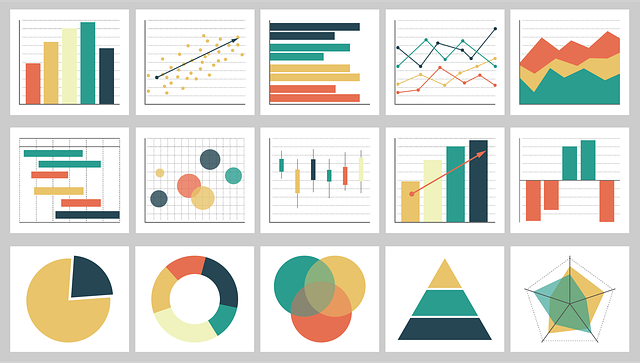
Data visualization is more than just a trend in the government sector; it’s a strategic tool reshaping how financial information is presented and understood. By converting complex budgetary data into visually engaging formats, stakeholders can more easily grasp key information, enabling better decision-making and enhanced public understanding.
Data visualization and analytic tools enable governments to gain insights into their operations. By using data visualization across various data sources, government agencies can monitor in real-time key performance indicators, budget figures, websites analytics, citizen feedback, and more. This enables organizations to make faster decisions, identify emerging trends, and respond swiftly to changing conditions.
The best visualizations help viewers understand not only the data, but also their implications. This can help agencies tell a story or connect with an audience in a way that helps to frame the data and create meaning. For most people, it’s much easier to identify trends and patterns by looking at a graph or map than having to sort through hundreds of rows in an excel spreadsheet. In fact, the human brain processes visuals 60,000 times faster than it does text.
Enhancing Transparency and Accountability
Transparency and accountability are vital in public finance. Data visualization tools make financial data more accessible and understandable to non-experts by cutting through the clutter and simplifying complex questions This open access to information empowers citizens, promotes trust, and fosters a culture of accountability.
The Government Finance Officers Association (GFOA) actively promotes the use of data visualization to help communicate capital improvement strategies and increase public engagement. The association believes public participation and stakeholder involvement during the planning, design, and construction of capital projects is extremely important. Because these projects can be complex, sharing information publicly with the aid of data visualization can give citizens a better understanding of what government agencies are trying to achieve. Data visualization is recommended for use across the process, including:
- Developing a communications plan that explains capital needs, options, and strategies for the community.
- Providing clear and consistent messages with accurate information about a project’s cost, duration, impact, and benefit.
- Encouraging citizen engagement during the budgeting process to obtain a broad range of opinions and views from citizens to ensure the decision-making process is truly collaborative.
- Making a genuine effort to engage citizens or risk increasing public cynicism and a poor perception of your government agency’s performance.
The United States Census Bureau uses data visualization maps to aggregate revenue, expenditure and employee data for state- and local-government budgets. Users can hover over each data element to receive additional information and customize the view by using drop-down menus and selected category buttons. Categories range from parks and recreation to public safety, and display in color-coded, interactive pie charts.
In Boston, the city originally launched CityScore as a way to inform the mayor and city managers about the overall health of the city at a moment’s notice by aggregating key performance metrics into one number. The project, which relies on data visualization dashboards, was eventually made public to provide a source of outward accountability and informs municipal spending based on metrics and results.
These examples illustrate how data visualization supports the principle of government transparency by aiding citizens to access and scrutinize the information and actions of their public officials more easily.
Improving Efficiency and Decision-Making
Efficiency in budgeting and spending is critical for government operations. Visual analytics help identify spending trends, forecast budget needs, and allocate resources more effectively. By providing a clear picture of financial data, these tools aid policymakers and financial officers in making informed decisions swiftly.
In Texas, the Dallas Office of Data Analytics and Business Intelligence (DBI) saved the city more than $15M in the first two years by eliminating the need for outside contractors to do analytics and business improvement work. The city’s chief data officer runs the DBI and reports directly to the city’s chief financial officer. The internal team oversaw 50 high-impact projects in year one with the launch of their open data portal. The portal displays data-visualization dashboards on topics such as crime analytics, employee diversity, domestic violence, and the status of municipal service requests from citizens.
Dallas is currently working on an extensive equity project that requires significant amounts of data to understand over 200 equity indicators. Data can show where services are being delivered, who is benefiting from different programs and how the city is addressing issues. This equity data work has been so successful that, for the first time ever, this data will inform the city’s next bond package; equity will be a measure to assess project inclusion in the bond.
But good data use in government isn’t just about getting information to residents. In fact, data is equally valuable for government internally. A new series of sweeping federal funding bills has allocated money for states and localities to invest in digital equity, infrastructure, and other areas. Making a strong case for the funding requires data.
Federal funding applications are less focused on a narrative and more focused on the ability of an entity to tell a story through numbers. Data visualization can go a long way in helping to craft a case that is both compelling and accurate with real-time, accurate data.
Take the next step
Integrating data visualization technologies in government budgeting and spending is not just a leap in digital transformation but a stride toward more responsible and responsive governance. These tools enhance how financial data is processed and understood and set new standards in public finance management.
To learn more about the latest data-visualization tools and techniques that can positively impact your government agency, contact us.
Additional sources:
https://questica.com/news/budget-transparency-begins-with-data-visualization/
https://www.govloop.com/training/april-5-how-to-explain-data-through-visualization-and-storytelling/